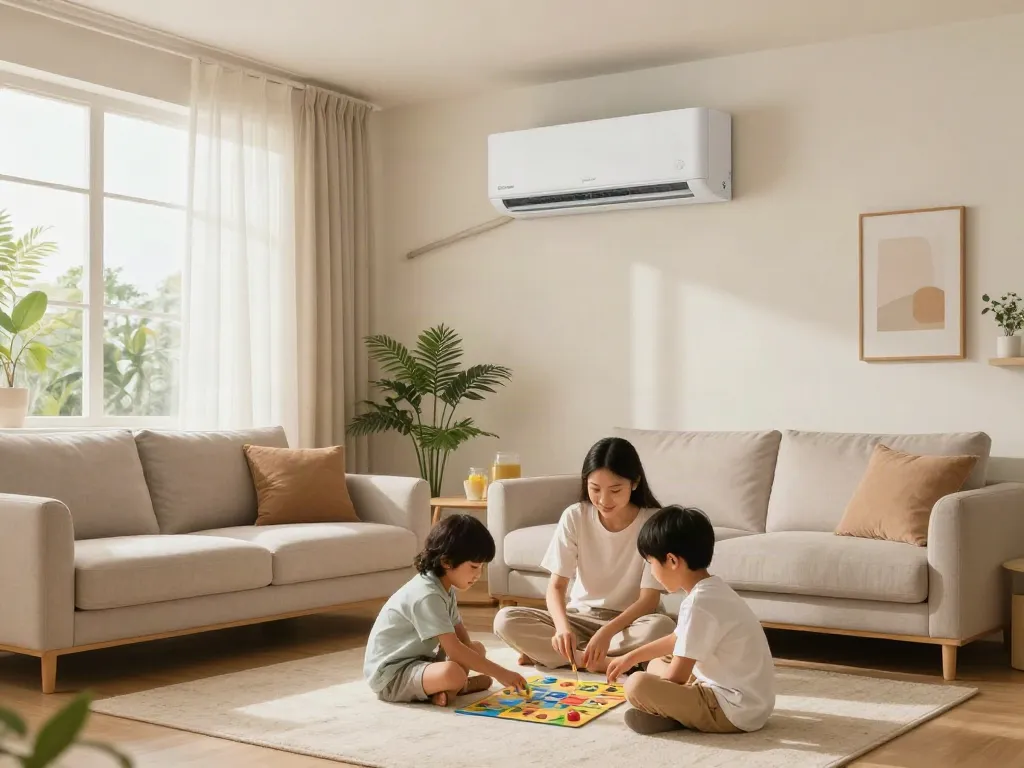
Understanding Mini Split Air Conditioners
In today's climate-conscious world, the demand for efficient and effective cooling solutions has surged, leading many homeowners to consider the mini split air conditioner as an ideal choice. These systems, characterized by their compact design and ductless operation, provide versatile heating and cooling that caters to individual room needs. As we explore mini splits, we'll uncover why they have become increasingly popular in residential and commercial spaces alike.
What is a Mini Split Air Conditioner?
A mini split air conditioner is a type of ductless HVAC system that comprises two main components: an outdoor compressor unit and one or more indoor air handling units. This configuration allows for a streamlined installation process, often requiring minimal alterations to existing walls. Unlike traditional central air conditioning systems that rely on ductwork, mini splits utilize refrigerant lines to connect the indoor and outdoor units, providing targeted air conditioning to specific areas of a home or office.
How Mini Split Systems Work
Mini split systems operate on a basic principle of heat exchange. The outdoor unit absorbs heat from the outside air and compresses it to increase its temperature. This heat is then transferred to the indoor unit. In winter, the process is reversed, allowing the unit to extract heat from indoors and release it outdoors. This versatility allows mini splits to provide both cooling in the summer and heating during cooler months.
Advantages Over Traditional HVAC Systems
There are numerous advantages to choosing a mini split air conditioner over traditional HVAC systems:
- Energy Efficiency: Mini splits often have higher SEER and HSPF ratings, translating to lower energy bills.
- Flexible Installation: These systems can be installed in various configurations, allowing for greater design flexibility in homes and offices.
- Individual Zone Control: Users can customize the temperature in different rooms, enhancing comfort and energy savings.
- Quiet Operation: Mini split systems are generally quieter than traditional air conditioning units, providing unobtrusive cooling.
Optimal Usage Times for Mini Split Air Conditioners
Understanding when to utilize your mini split air conditioner is essential for maximizing comfort and efficiency. The performance of these systems can vary greatly depending on seasonal changes and local climate conditions.
Best Seasons for Installation and Use
Typically, spring and early autumn are the best seasons for installing mini split systems, as moderate temperatures allow for easier handling and less strain on HVAC professionals. During these seasons, homeowners can also take advantage of promotional offers from HVAC suppliers, which may lead to substantial savings.
Energy Efficiency Insights for Different Weather
Mini split air conditioners are designed to work efficiently in varying weather conditions. For optimal performance, set the system to maintain moderate temperatures. In extremely hot weather, ensure that the refrigerant lines are adequately insulated to prevent energy loss. In colder climates, consider a model with a high heating capacity for the winter months, ensuring year-round comfort.
Comparing Indoor Climate Control Options
When assessing indoor climate control options, mini splits often outperform traditional air conditioning systems and window units in several ways, including:
- Energy Efficiency: Mini splits provide higher efficiency ratings, enabling them to consume less energy.
- Space Efficiency: They require less space than window units and eliminate bulky duct systems.
- Enhanced Comfort: Better humidity control and temperature variation in different zones contribute to improved comfort levels.
Installation Tips and Best Practices
Proper installation of a mini split air conditioner is critical to its performance. Below are key considerations for achieving optimal results during installation.
Choosing the Right Location for Your Indoor Unit
Selecting an appropriate location for the indoor unit can significantly enhance performance. Ideal locations include:
- High on a wall for unobstructed airflow.
- Avoiding corners to ensure proper circulation.
- Areas away from direct sunlight or temperature extremes, such as near windows or heat-producing appliances.
Steps for Professional Installation
For those opting for professional installation, consider the following steps:
- Consult with a licensed HVAC technician to assess your space.
- Select the appropriate mini split model based on room size and cooling/heating requirements.
- Ensure proper clearance around indoor and outdoor units for optimal airflow.
- Follow local building codes and regulations during installation.
DIY Installation vs. Hiring Professionals
While many homeowners consider DIY installation to save costs, it is often advisable to hire professionals to ensure your mini split is installed correctly. Professional installers have the expertise and tools required to configure the system efficiently, which can save time and prevent costly mistakes.
Maintenance for Longevity
Regular maintenance is essential for prolonging the life of your mini split air conditioner and keeping it running efficiently. Here’s how to maintain your system effectively.
Routine Maintenance Tasks You Can Do
Homeowners can engage in several routine maintenance tasks, including:
- Cleaning or replacing the air filters every month during peak usage.
- Inspecting the outdoor unit for debris or obstructions.
- Cleaning the coil and fins on the outdoor unit to improve heat exchange efficiency.
Signs Your Mini Split Needs Repairs
Be vigilant for signs that your mini split air conditioner may require repairs, such as:
- Strange noises during operation (e.g., rattling or hissing).
- Inconsistent temperatures across different zones.
- Inefficient energy consumption, leading to higher utility bills.
How to Maximize Efficiency Over Time
To ensure your mini split system continues to work at peak efficiency, consider the following tips:
- Schedule annual maintenance checks with a qualified technician.
- Consider adding a programmable thermostat to better manage heating and cooling schedules.
- Seal any gaps or leaks around doors and windows to reduce energy loss.
Trends and Future of Mini Split Air Conditioning
As technology progresses, the landscape of mini split air conditioners continues to evolve. Here’s what to expect in the coming years.
Innovative Features to Look for in 2026
Future mini split air conditioners are expected to integrate advanced features such as:
- Smart Technology: Enhanced connectivity for remote control and integration with smart home systems.
- Improved Filtration Systems: Advanced filters to reduce allergens and improve indoor air quality.
- Variable Speed Compressors: For increased efficiency and reduced energy consumption.
Predicted Changes in Energy Standards
As energy standards become stricter, manufacturers will likely focus on producing mini splits with even higher efficiency ratings. This trend is not only driven by market demand but also by regulatory requirements aimed at reducing environmental impact.
Consumer Preferences Shaping the Market
As consumers become more environmentally conscious, the preference for energy-efficient and eco-friendly cooling solutions will heavily influence the mini split air conditioner market. Expect increased demand for sustainable products, leading manufacturers to innovate further.
What are the advantages of a mini split air conditioner?
The advantages include energy efficiency, flexibility in installation, and the ability to individually control temperature in various rooms, providing both comfort and cost savings.
When should I install a mini split air conditioner?
The best time for installation is during the spring or fall when temperatures are moderate, making the installation process smoother and often more affordable.
How do mini split systems compare in energy efficiency?
Mini split systems typically have higher SEER ratings than traditional units, meaning they use less energy for the same cooling output, resulting in lower utility costs.
What maintenance do mini split air conditioners require?
Regular filter cleaning or replacement, inspection of the outdoor unit, and annual professional maintenance checks are crucial for optimal performance.
Are mini split systems suitable for large spaces?
While they can effectively cool large spaces, multiple indoor units may be required for optimal temperature control. Proper sizing and design are crucial in such installations.